In the closing paragraph of The Dutiful Daughter’s Guide to Caregiving, I say, “…this is what I know to be true. I really am okay. And you will be, too.”

Since writing the book, I’ve been spending more time exploring what “I’m okay” really means. Well, actually, what “I’m better than okay” really means. A lot of it focuses on rediscovering who I am after releasing long-held identities as a caregiver, and (yes, I’m that old) as an employee. Big stuff. BIG stuff.

Of course, this will be different for everyone, but, just like caregiving, there are always common threads that run through the experience. And also just like caregiving, this is a journey made richer by traveling with friends like you who find yourselves on the same road.

So, here’s the plan. We’re going to do some exploring, tap into our creative side, and gather up big handfuls of joy. Along the way, I’ll share my own low-budget journey of self-discovery, art and writing prompts that go deep, inspiring conversations with women just like us, and tons more goodness.

Of course, there’ll still be lots of support and encouragement for those still walking the caregiver path. You are, and always will be, my people. Just think of this as a mini-retreat where we open ourselves up to possibility, and embrace the potential for what comes next.

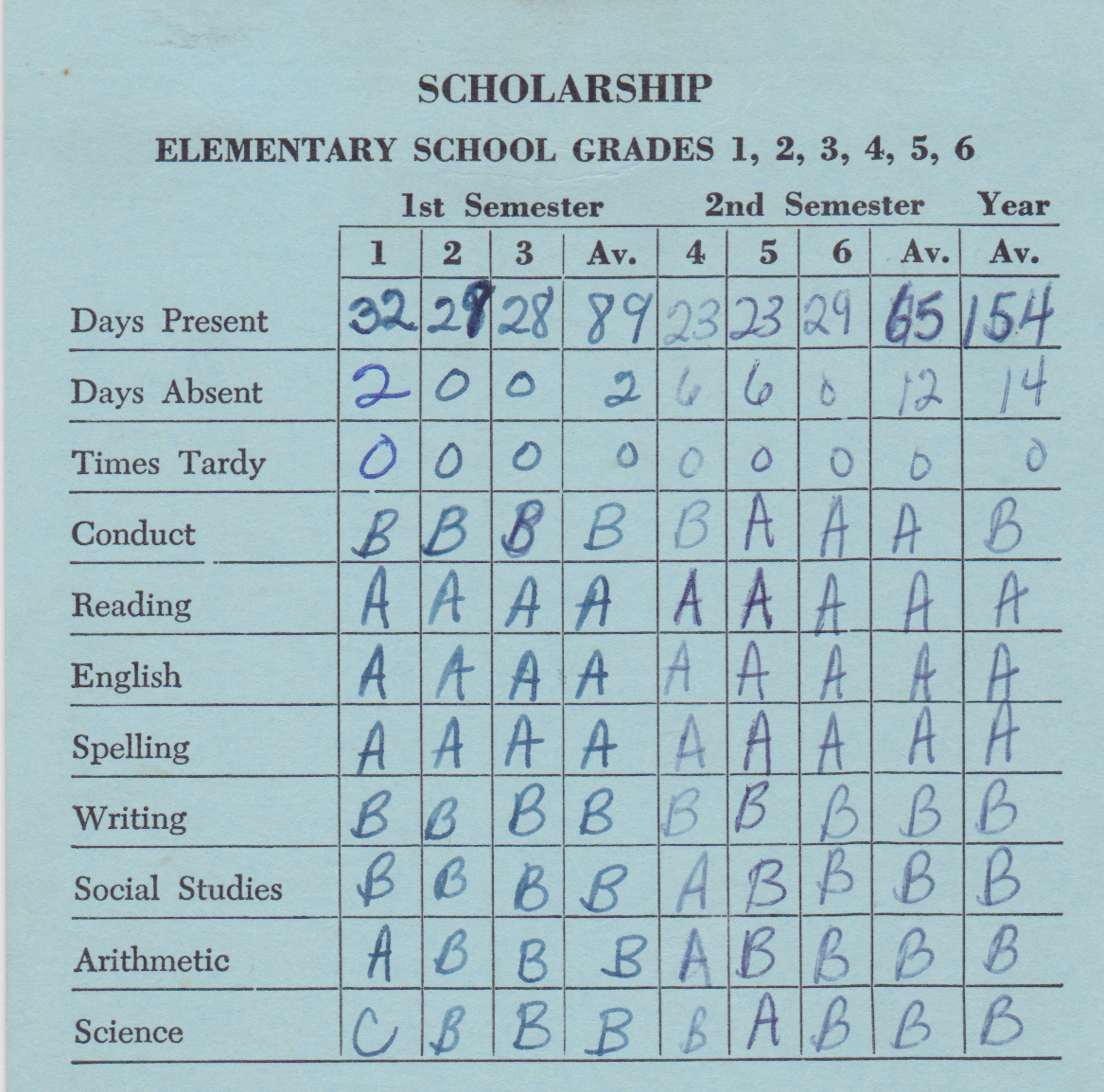
A Caregiver’s Report Card

J Henry RCard

Are you secretly giving yourself a grade for caregiving? Feel you’re falling short? Don’t be ashamed to say so, because I get it. Growing up in my house, a grade of “C” was equivalent to an “F,” and at dinner each night, my younger siblings and I had to come up with good answers to my father’s perpetual question, “What did you do of any consequence today?”

Decades later, while caring for both my parents during the last phase of their lives, and still putting myself to Dad’s test, these are the responses I finally arrived at.

Perfect solutions don’t exist when caregiving, and what may work one day, may not work a day, a week, or a month later. Even knowing this, we often drive ourselves to exhaustion processing tons of information, and absorbing solicited and un-solicited advice while trying to honor the hopes and expectations of the parent we’re caring for. It’s inevitable that sometimes “analysis paralysis” sets in. This happens when we worry about not having all the facts, are concerned the decision may be the wrong one, or have convinced ourselves that the worst possible scenario is going to occur. What can help is learning to stop second-guessing our decisions; remembering we can only work with what we know at any given time, and making peace with the idea of “acceptable for now.”

Caregiving is a verb, and our days run on multiple To Do lists – dealing with a deeply flawed medical system, particularly where the elderly are concerned; ordering and picking up medical supplies and prescriptions; filling out insurance forms; and responding to crises we’d rarely imagined. It’s never-ending, yet caregivers often feel they should be doing more. Once in awhile, try making an “Accomplishment” list, instead. Write down all the things you manage to handle while taking care of a parent/ a spouse/ a child/ a full time job/ a home/your own needs, or any combination thereof. Even you will shake your head in disbelief at what you’re achieving under great odds.

Try not to compare your caregiving experience with others. I was speaking with someone who’d been taking care of a father with dementia for over 10 years. When I commented on how hard that must be for her, she said, almost apologetically, that her dad was in a memory care unit, so she wasn’t a twenty-four hour caregiver. The reality is that caregiving is a 24/7 job whether your parent is with you or not. You’re still the one being called at all hours when issues arise and difficult decisions must be made, so don’t ever devalue your efforts.

Often, the toughest part of caregiving is recognizing that you can’t always make things better for Mom or Dad despite your love and efforts. And sometimes, being with a parent is more important than doing for them.

Finally, forgive yourself for being irritable, resentful and sometimes wishing your caregiving responsibilities were over. It doesn’t make you a bad person. It just makes you human. The irony is that accepting this fact can release some of the unrealistic expectations and pressure we put on ourselves to try and fix everything that goes wrong.

So, for those of you who still feel the need to grade yourselves, I’ve devised a new system with caregivers in mind.

                                                    A – Accomplished

                                                    B – Big-hearted

                                                    C – Compassionate

                                                    D – Dedicated

                                                    F – Fabulous

Now – go ahead and give yourself the “F” you deserve.

The Art of Gratitude

Layout 1

During the last year of my mother’s life, she was boomeranging between home and late-night trips to the emergency room every other month. This often meant lengthy hospital stays that left her even weaker than before, and every time it happened, I found myself mentally trying to prepare for the end.

During one of my visits, after talking about her art classes which she’d been taking for years, and the latest scoop on my siblings, I took her hand and said, “I love you, and it’s important to me that you get the sendoff you really want, when the time comes. How about if we put our heads together and plan your memorial service?”

She clapped her hands and said, “Oh, that’s a great idea. What should we talk about first?”

So we mapped it out, from the music  (Barbra Streisand songs, including “Second-hand Rose,” since she was a passionate Goodwill shopper, and Klezmer tunes, which she’d grown up with in an orthodox Jewish home) to the food she enjoyed most (deli sandwiches from TooJay’s). With a loud guffaw, she suggested invites that said, “No gifts, necessary,” but lots of balloons. And in typical fashion, she cautioned against anything maudlin or sentimental, just wanting people to tell stories of the good times they’d shared.

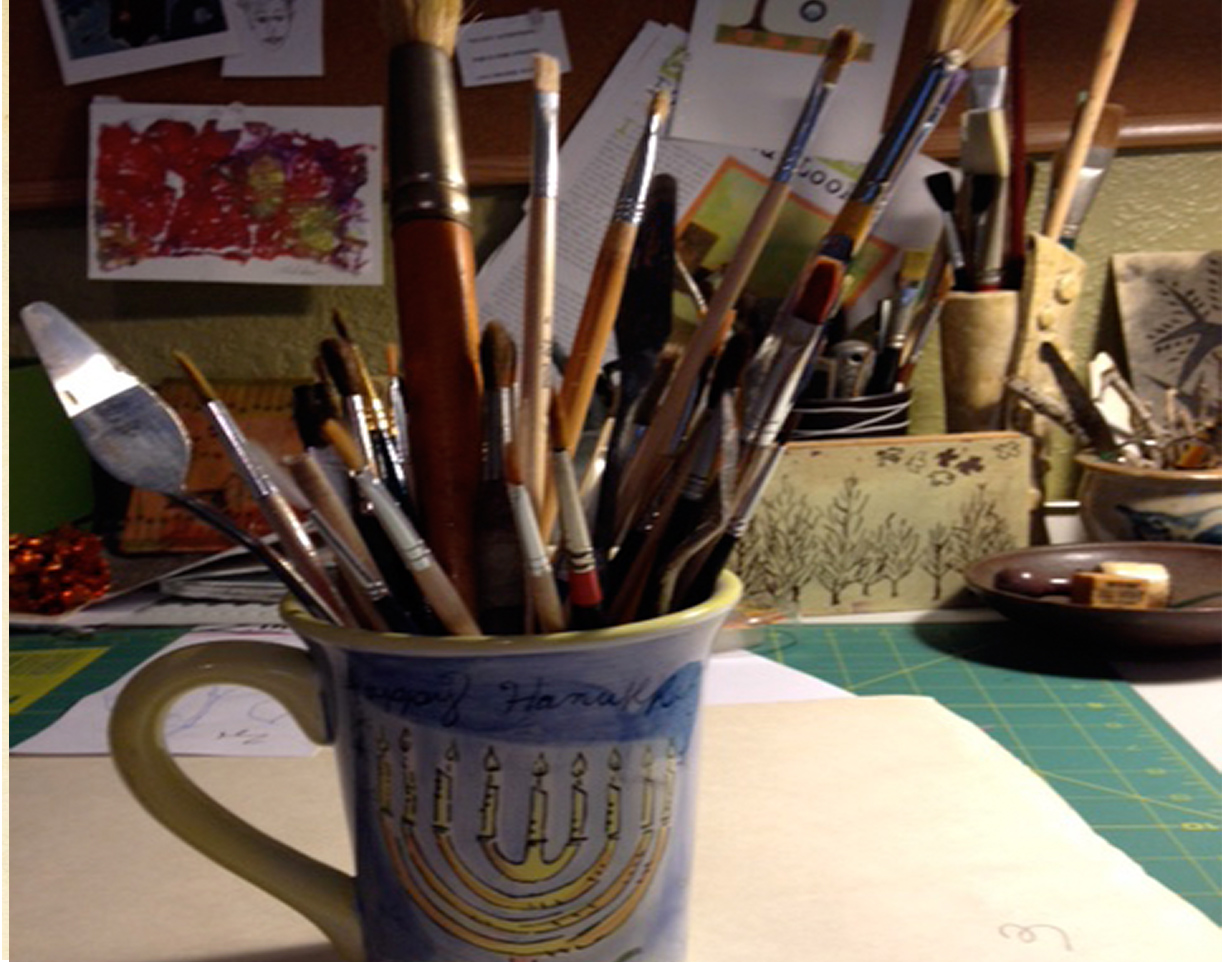
When the time came, it turned out to be the perfect celebration of her life, filled with laughter, tears and memorable moments. As a final tribute, each guest was given one of her well-worn paintbrushes with a small tag attached that read:

In memory of Sally D

May 4, 1922-March 28, 2013

“The essence of all beautiful art is gratitude.” – Nietzsche

—————————-

My mother taught all of us about love, friendship, and the importance of being thankful in our everyday lives. To honor her amazing spirit, why not take a moment to leave a comment acknowledging what you are grateful for. She would have loved that.


A Caregiver Valentine

IMG_0425

I just finished reading a little book entitled, “Congratulations, by the way.”

The author, George Saunders, speaking to a graduating class, describes what he’s regretted most in his life. Turns out, it was a failure of kindness. Those moments when he hesitated to offer someone a word, a touch, or a smile to make them feel valued and understood.

I see this often, but with a twist. In caregiver communities, people reach out to each other daily with warmth and compassion, yet they don’t extend that same empathy to themselves.  Instead, there is only a litany of should’s:

I should be stronger. I should be able to handle all this. I should be doing a better job.

The thing is, what you are doing is often an exhausting, all-consuming, roller-coaster ride in the dark, and there are times of questioning your sanity and the ability to continue. Yet, despite all this, you keep on going. And that needs to be honored.

So, here’s to you on Valentine’s Day.  Nothing fancy. No roses or gooey sentiments. Just a good, strong, get-the-job-done cup of coffee that speaks to some of your finest qualities.

As George Saunders says, “Try to be kinder.” And I would say to caregivers everywhere, “Begin with yourself.”


Hug Your Pharmacist Today

Screen shot 2016-01-10 at 10.33.23 AM

January 12th is Pharmacist Day, and it’s time to share a tip straight from Chapter Five of The Dutiful Daughter’s Guide to Caregiving, entitled “Kosher Pickles. Check. Blood Pressure Meds. Check.”

You may not realize it, but when caring for an aging parent, one of the most valuable relationships you can cultivate is with their local pharmacist.

Fortunately for me, my mom was a smart cookie who’d already thought of that. She was a regular at Harrison’s Pharmacy, which was only a 2 minute drive from her home. And while it wasn’t always the cheapest place to fill some of her prescriptions, the assistance we received over a period of time was invaluable. About once a month or whenever a drug was added or subtracted by one of her physicians, the pharmacist would print out an updated list that included what each medication was for, and the exact dosage. So, instead of dragging a laundry bag of pill bottles with her to each doctor’s appointment, she took this list, instead. In addition, she gave copies to me, my siblings, paid caregivers, and also kept one in her handbag for emergency room personnel at the hospital.

Since older adults can often find themselves under the care of multiple specialists prescribing a cornucopia of drugs, a knowledgeable pharmacist can be the first line of defense when it comes to sounding the alarm about potential side effects and interactions. Especially important, since taking more than three medications daily can increase those chances.

By the way, what works for your parent can also work for you. So, next time you visit your own pharmacist, take a minute to say “Thanks.” Down the road, it could be a life-saver.

Family Caregiver’s Month

cactus

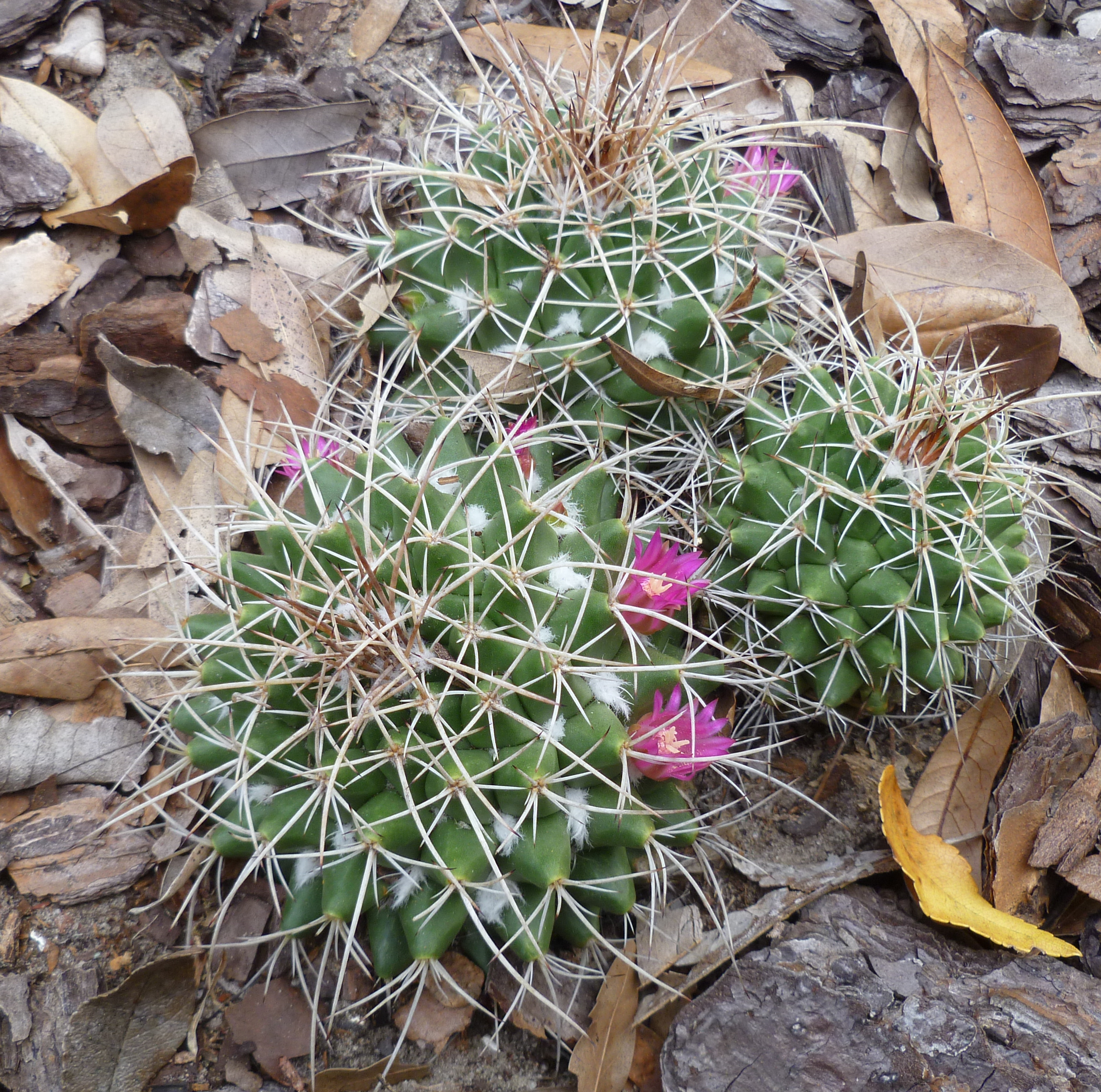
November is National Family Caregiver’s Month. So, why the picture of cactus? Well, I’m a little prickly about the fact that the contributions of caregivers are officially recognized only one month out of twelve. With almost 66 million people in the United States providing care to an ill, disabled or aging family member, it should be year-round.

Since releasing my book a few short months ago, I’ve been privileged to hear the stories of so many people who are caring for moms and dads, children, siblings, spouses and life partners. And regardless of our differences, the common thread that runs through every experience is the capacity for resilience, that ability to cope with stress and adversity that sometimes seems in short supply.

It’s a word I recently asked my caregiver’s writing group to consider. What did the term mean to them? What strengthened their resiliency? What weakened it? How did they find it in themselves or others?

As always, everyone wrote from a different perspective. One person described how resilience is a living, changing thing, and that helping others to be strong enhances your own ability to cope. Another takes her lead from the weeping willow – a tree that survives the years through its ability to bend and move with the wind. For me, it could be found by looking at my tiny sparrow of a mom, 90 years old, and realizing that her body told a tale of resilience more eloquently than words ever could. Despite surgeries, disease, and heartache, she practiced gratitude every single day.

So, my question to you, dear readers, is, “What helps you deal with the difficult challenges of caregiving? Is it the support of other people? Is it strong faith? Is it a beloved family pet you can pour your heart out to? Or maybe its releasing your stress and anxiety on paper.

Leave a comment here, and you’ll be entered into a drawing on November 30th to win an autographed copy of The Dutiful Daughter’s Guide to Caregiving: A Practical Memoir.*

Take good care. You are all, quite simply, amazing.

*Sorry. U.S. deliveries only.


Sharing The Hospice Experience

Encountering the Edge_front

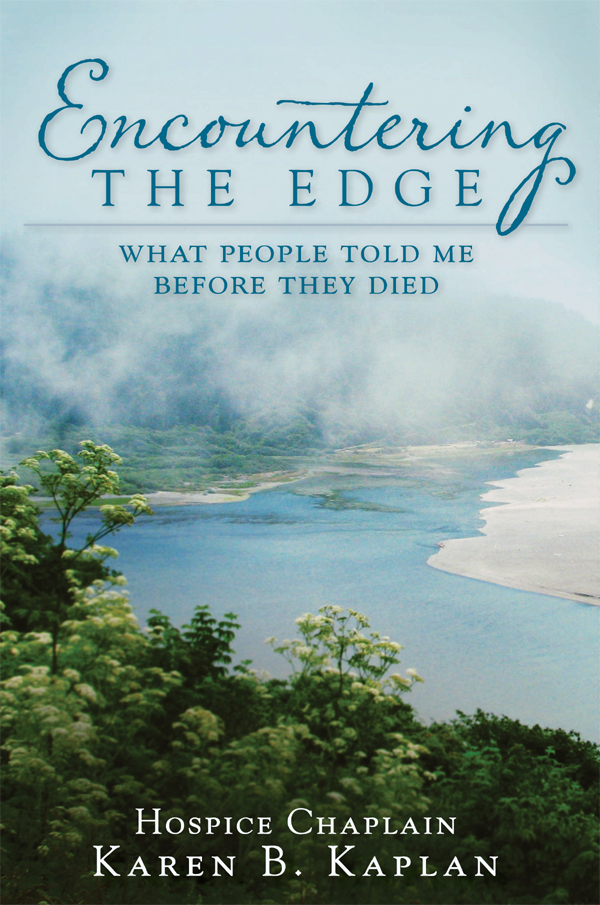
Despite the fact that none of us gets out of this world alive, generally speaking we’re uncomfortable with the concepts of death and dying. In her book, Encountering the Edge: What People Told Me Before They Died, Karen Kaplan, an ordained rabbi and board certified chaplain, demystifies the process by talking about her experiences with hospice clients of all ages and denominations. Listening as they share their stories, their hopes and their fears, she offers the powerful gift of being heard, with warmth, gentle humor and deep compassion.  Below is an excerpt:

_________________________

As you accompany me to my patients, you may find yourself throwing various assumptions overboard. Such as when I sing to them, you might think I only sing sweet and religious songs like “Swing Low Sweet Chariot,” or “Kumbaya, My Lord,” or something based on the Psalms such as “May the Words of My Mouth.” Sam, twenty-eight years old and formerly a policeman, was one of the youngest residents in a nursing home relatively near my office; he was there on account of a disease that was stealthily stealing his motor abilities. Almost every time I stopped in, he gave me a broad delighted smile. But he decidedly did not want to hear a “girlie” thing like a hymn, though his mother did. She visited him at the nursing home practically every day to patiently feed him lunch served along with her cheery and loving talk. I often saw her during my weekly visits, and because she found my hymns soothing, I sang them for her benefit when she was around. She kept requesting them every time our visits coincided, although she had a thing or two to say to God due to the disease that was destroying her son. Sam, as I implied before, was not ambivalent about religion. He simply was not on board with it, so I tried to think of something nonreligious to sing. I had recently found out that one of the things Sam missed a lot at the nursing home was beer. Since I could not quickly arrange to have it made available (this would have required a doctor’s order), I thought a song about such beverages might raise his spirits at least in part. So I energetically sang “What Do You Do with a Drunken Sailor,” “Ninety-Nine Bottles of Beer,” and “In Heaven There Is No Beer.” All of these elicited his distinctive lingering smile. On subsequent visits, when I asked if he wanted to hear these again, he formed an even longer-lasting smile and said, “Sure!” Even his mom allowed herself a grin. At later visits when he could no longer indicate what he wanted to hear, his smile acted as confirmation.

One of Sam’s dying wishes was to get a tattoo showing his police rank and years of service. Given his condition, the procedure would have been painful, but his response was, in his soft high-pitched voice, “I’m tough.” Unfortunately, this was complicated to arrange. For one thing, he was not strong enough to leave the nursing home to appear at the tattoo parlor. There was some talk of getting a tattoo artist to make a house call, but by then, Sam was too weak to endure getting the tattoo. Soon after his disease had progressed to that stage, my husband Steve and I saw a performance of Hawaiian hula dancers, and I noticed that they had tattoos—not the kind we typically think of with pictures of hearts and arrows and letters, but of geometric shapes. One of the Hawaiian performers explained that their tattoos signify such matters as family connections and position in the social hierarchy. The higher the rank, the more elaborate and more numerous the designs. I thought of Sam, who wanted us to read his epitaph on his skin, proclaiming who he was and what he had achieved.

_________________________

karenphoto

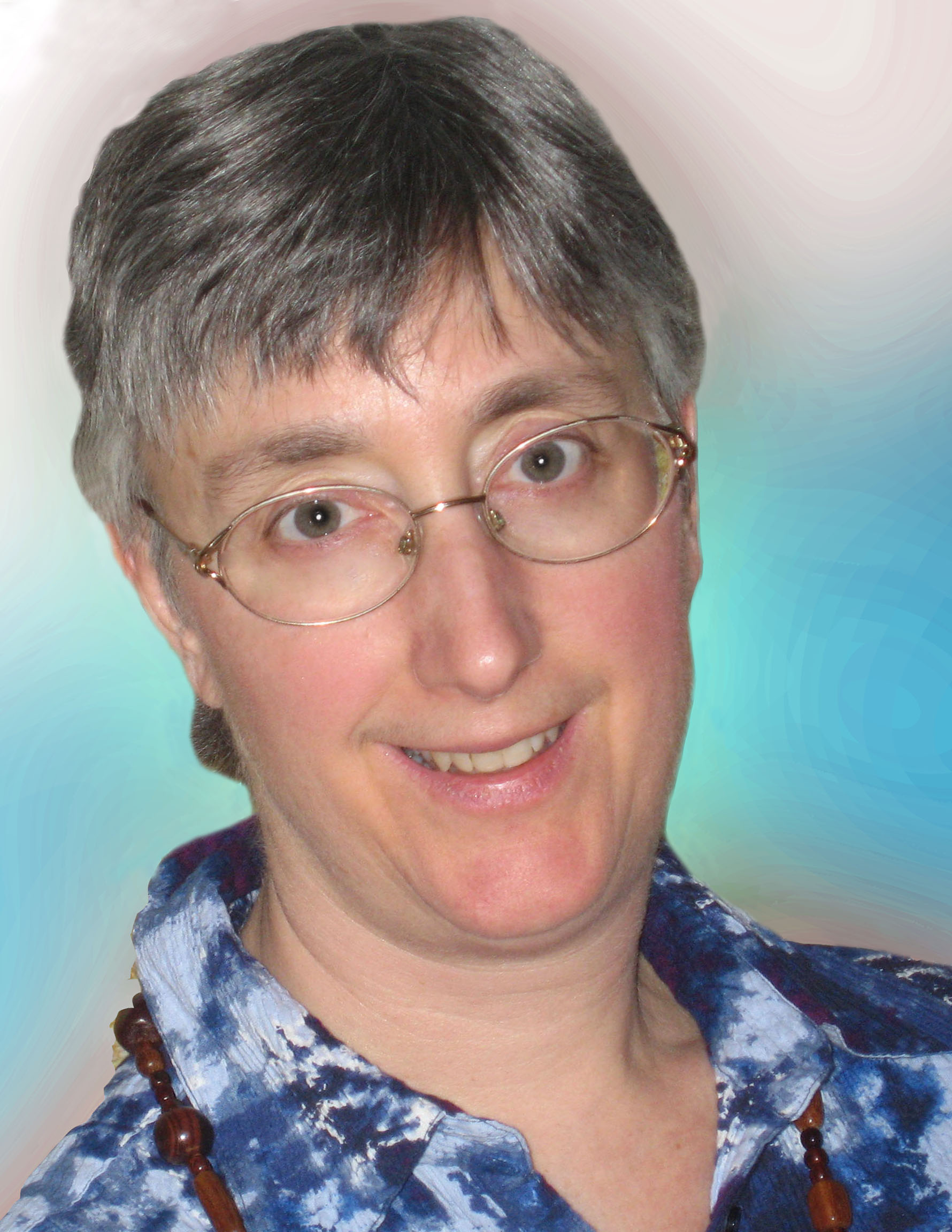
Ordained in 1992, Karen was among the first 200 female rabbis worldwide. In 2007 she became a board certified chaplain and served hospices for seven years. Her goal in writing Encountering The Edge: What People Told Me Before They Died,  and her blog, offbeat compassion, is to provide a gentle entree to a forbidding yet mesmerizing subject. The book is available on Amazon in softcover, a Kindle version, and now as an audiobook, which can also be purchased on audible.com.

Times Festival of Reading Event

Layout 1

Everyone’s talking about it – a book on caregiving that’s actually fun to read. I’ll be signing and selling copies of The Dutiful Daughter’s Guide to Caregiving at the Times Festival of Reading this Saturday, October 24th at the University of South Florida’s St Pete campus.  Come visit me at Booth 16. There will be chocolate.